A Simple Guide to Concert Etiquette
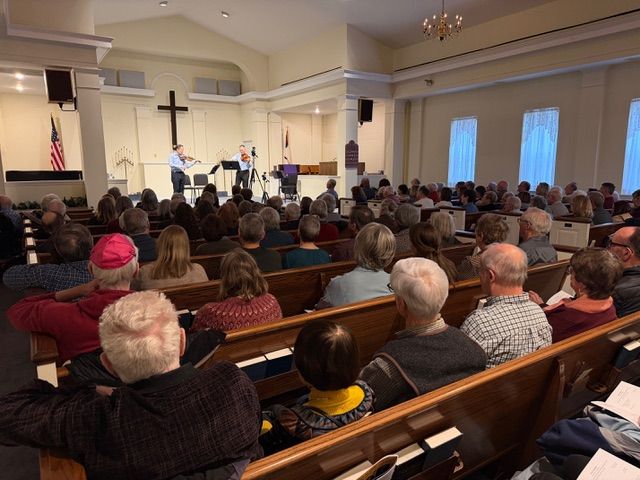
Classical music concerts deliver a powerful experience to audiences. Especially in our hall, you can see every gesture, hear every breath, and follow the looks and cues that keep performers together.
You may have a feeling of anxiety the first time you attend a chamber music concert. "What if I wear the wrong outfit, clap at the wrong time, don't understand the movement list, haven't heard of those composers?"
Classical music has a long tradition, and knowing some basic practices will help you feel comfortable when you attend for a first time.
Standard attire is business casual or church-appropriate clothes. While there are no real rules, you may feel more comfortable if you are dressed like other attenders. Please don't come in a tuxedo or evening gown!
At your first classical music concert, be a follower. When others get quiet for the first note, relax for a brief time between movements, get up for a stretch during intermission, you can do likewise.
There are customary times to applaud and the people around you will be your guides. Most classical pieces have several "movements" which are listed in the program. They can be in a contrasting tempo or have a different mood than surrounding movements. It is appropriate to wait until all movements have been payed to applaud. String players may raise their bows at the end of a rousing movement. Other musicians may indicate in a subtle way that that they have completed the piece, there are no more notes, and your may clap. When in doubt, DO NOT make your best guess. Look around and follow the lead of others.
Many of us learned the three Bs in elementary music class: Bach, Beethoven, Brahms. As you attend more concerts, take notes on how the music makes you feel. You will eventually learn the style of the famous composers (long-gone and still alive) programmed on our concerts.
Basic etiquette follows business etiquette:
- Do not talk while the music is flowing.
- Try not to rustle papers or make other sounds that would distract audience or performers.
- Turn off cell phone sounds before program starts and do not use your cell phone in the concert hall.
- DO NOT answer your cell phone if you see a call. If you must, step out of the hall and converse out of earshot of others.
- Take care of restroom and water fountain needs before concert begins or at intermission.
- Make sure that your hearing aids are properly set so that they don't distract your neighbors with loud sounds.
Talk with friends and audience members after concert and compare notes. If practical, have a short conversation with performers. And come back for another concert that you will enjoy even more than your first.